


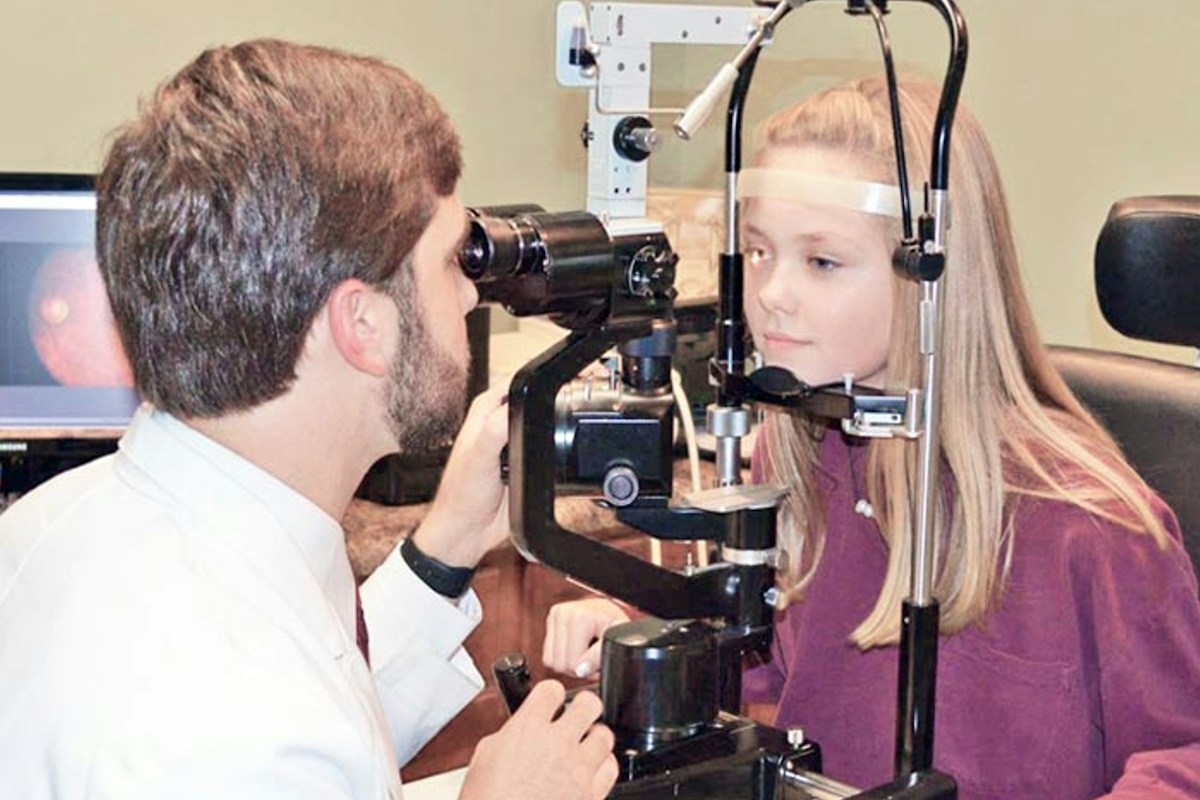
Ophthalmic wellness represents one of the most vital yet structurally bifurcated sectors in the contemporary American healthcare system. Under the statutory framework established by the Patient Protection and Affordable Care Act (ACA), pediatric vision care was codified as an Essential Health Benefit (EHB), mandating comprehensive annual eye examinations and corrective eyewear for children under age 19. However, adult routine vision care was explicitly omitted from major medical insurance mandates, leaving tens of millions of working adults, independent contractors, and retirees to secure vision coverage through specialized standalone vision managed care plans or voluntary employer benefits.
A widespread misconception among healthcare consumers is that comprehensive major medical health insurance covers all ophthalmic services. In practice, a rigid legal and clinical demarcation separates medical eye care from routine vision wellness. While major medical insurance covers the clinical diagnosis and surgical management of ocular pathologies such as glaucoma, diabetic retinopathy, cataracts, and macular degeneration, it systematically excludes routine refractive examinations, prescription eyeglass frames, corrective lenses, and contact lenses. Consequently, vision insurance operates as a specialized wellness benefit designed to reduce out-of-pocket costs for routine optical hardware and annual refractive assessments.
Operating within a vision managed care network, such as Vision Service Plan (VSP) or EyeMed Vision Care, requires navigating intricate benefit schedules, wholesale frame allowances, proprietary lens coating tier classifications, and rigid frequency accumulators. Consumers who do not understand these contractual nuances frequently experience unexpected retail optical charges, where elective add-ons such as premium progressive lenses, anti-reflective treatments, and high-index materials quickly transform a seemingly comprehensive vision benefit into hundreds of dollars in out-of-pocket retail expenses.
This authoritative guide delivers an exhaustive clinical, contractual, and financial analysis of standalone and employer-sponsored vision wellness insurance. We dissect the critical boundaries between refractive and medical eye exams, analyze wholesale frame formulas and retail markup protections, evaluate the cost-effectiveness of ophthalmic lens options and coatings, examine contact lens allowances versus medically necessary criteria, and detail strategic frameworks for coordinating vision benefits with Section 125 Flexible Spending Accounts (FSAs) and Health Savings Accounts (HSAs).
The Architecture of Vision Managed Care Networks and Industry Dominance
Vision benefits are concentrated within specialized managed care networks that dictate retail optical pricing.
The American vision insurance landscape is dominated by specialized managed care organizations that operate independently of traditional major medical insurance carriers. The two largest entities, Vision Service Plan (VSP) and EyeMed Vision Care (a division of global optical conglomerate EssilorLuxottica), collectively administer vision benefits for over 120 million covered lives. Unlike open-market indemnity plans that reimburse based on arbitrary retail charges, these managed care giants operate vast, contracted provider networks comprised of independent optometrists, ophthalmologists, and corporate retail optical chains.
Under these network agreements, participating eye care providers contractually agree to accept predetermined copayments and discounted fee schedules for professional refractive examinations and ophthalmic materials. In exchange, participating doctors gain direct access to captive patient populations. For consumers, accessing an in-network optical provider is paramount: utilizing an out-of-network independent optometrist typically reduces benefits from robust point-of-sale hardware discounts to modest, fixed out-of-network indemnity cash reimbursements.
Vertical Integration in Modern Optical Retail
A unique characteristic of the vision benefit industry is vertical integration. For example, Luxottica owns EyeMed Vision Care, major retail optical brands (LensCrafters, Pearle Vision, Target Optical), and dominant designer eyewear licensing agreements, aligning the insurer, provider, and hardware manufacturer.
Independent Doctor Alliances and Professional Freedom
VSP historically emerged as a doctor-governed non-profit network designed to support private optometric practices. Enrollees can access independent doctors of optometry who offer tailored clinical evaluations and diverse frame collections outside corporate retail stores.
- Managed Network Standard: Over 80% of insured vision care is administered by specialized managed care networks like VSP and EyeMed.
- Contracted Material Discounts: Network providers must honor contracted fee schedules for frames, lenses, and specialized coatings.
- Vertical Integration Dynamics: Dominant vision insurers frequently own optical retail chains, laboratories, and designer frame brands.
- In-Network Cost Differential: In-network utilization provides maximum point-of-sale discounts compared to limited out-of-network cash schedules.
Comprehensive Eye Exams: Refraction vs. Medical Ophthalmic Evaluations
Understanding the clinical billing boundary between vision plans and major medical insurance prevents billing disputes.
A primary source of consumer confusion and unexpected medical bills occurs during the annual eye examination. An eye examination is not a single, monolithic clinical procedure; rather, it encompasses two distinct diagnostic components: the routine refractive examination and the comprehensive medical ophthalmic evaluation. Billing clearinghouses and insurance adjudicators treat these two procedures as mutually exclusive services governed by entirely separate insurance contracts.
A routine vision examination focuses on assessing visual acuity and determining the precise refractive error of the eye (myopia, hyperopia, astigmatism, or presbyopia) to generate a corrective prescription for eyeglasses or contact lenses (CPT code 92015). Vision insurance plans cover this refractive examination in full after a nominal copayment, typically $10 to $20. Conversely, if the optometrist detects an underlying ocular disease (such as elevated intraocular pressure, ocular hypertension, dry eye syndrome, or retinal vascular changes), the clinical evaluation crosses the boundary into medical eye care.
Primary Medical Diagnosis Billing Protocols
If a patient presents with an ocular complaint (eye pain, flashes of light, floaters, or red eye) or has a chronic medical condition like diabetes requiring retinal dilation, the examination must legally be billed to the patient major medical insurance under CPT codes 92004 or 99214.
Same-Day Split Billing Regulations
Under federal billing guidelines, an eye doctor cannot bill both a vision plan and a medical health plan for the same comprehensive exam on the same day. However, doctors routinely perform a medical eye evaluation billed to health insurance, and bill the separate refraction fee to the vision plan.
- Refraction Exclusivity: Vision insurance specifically covers the refractive assessment to determine eyeglass and contact prescriptions.
- Medical Ocular Exclusions: Diseases of the eye (glaucoma, cataracts, retinal tears) must be billed to primary major medical insurance.
- Chief Complaint Determines Payer: The patient presenting symptom determines whether an exam is classified as routine vision or medical.
- Split-Fee Mechanics: Doctors frequently bill the clinical eye evaluation to major medical and the refractive measurement to vision plans.
Deconstructing Wholesale Frame Allowances and Retail Markup Protections
Vision contracts provide fixed frame allowances paired with mandatory retail discounts on excess balances.
The hardware component of a vision insurance plan represents the area of greatest financial consequence for consumers purchasing designer prescription eyewear. In retail optical stores, designer eyeglass frames carry substantial markups, often retailing between $150 and $450. Vision plans address this expense through a contractual mechanism known as the frame allowance. A standard comprehensive vision plan provides an annual or biennial frame allowance typically ranging from $130 to $200.
Under the terms of the plan, the insurer covers the retail cost of any frame up to the designated allowance limit, subject to a materials copayment (usually $20 to $25). If the consumer selects a premium designer frame that exceeds the allowance, the contractual protection of the managed care network activates. Participating network providers are contractually required to apply an additional 20% discount to the remaining retail balance exceeding the frame allowance, significantly curbing out-of-pocket costs.
The Mathematics of Frame Allowance Adjudication
If an enrollee chooses a $250 designer frame on a plan with a $150 allowance and a 20% overage discount: the plan covers $150, leaving a $100 balance. The 20% discount reduces the balance to $80, which the patient pays at the register, saving $170 off the retail price.
Featured Frame Brand Bonus Allowances
Many vision carriers offer bonus frame allowances (typically an extra $20 to $40) when enrollees select frames manufactured by specific featured brands owned by or partnered with the carrier parent conglomerate, such as Marchon brands for VSP or Luxottica brands for EyeMed.
- Fixed Dollar Allowance: Vision plans provide a baseline credit of $130 to $200 toward the retail price of eyeglass frames.
- Contractual Overage Caps: In-network opticians must apply a mandatory 20% discount on frame costs exceeding the policy allowance.
- Featured Brand Incentives: Consumers can capture an additional $20 to $40 in allowance by choosing carrier-affiliated frame lines.
- Warehouse Club Variations: Frame allowances at warehouse retailers like Costco or Sam Club are frequently adjusted to reflect lower baseline retail pricing.
Ophthalmic Lens Options: Single Vision, Bifocals, Progressives, and High-Index
Navigating basic lens coverage versus premium progressive tier upgrades dictates total out-of-pocket spending.
While frames represent the aesthetic centerpiece of eyewear, ophthalmic lenses determine visual acuity and represent the area of greatest clinical complexity. Standard vision insurance contracts provide 100% coverage (subject to the materials copayment) for baseline plastic (CR-39) single vision, lined bifocal, and lined trifocal lenses. These basic lenses fulfill the clinical requirements for correcting standard refractive errors and presbyopia using traditional divided optical segments.
However, modern consumer preferences overwhelmingly favor progressive addition lenses (no-line multifocals) that provide seamless, cosmetically elegant visual transitions across distance, intermediate, and near viewing zones. Because progressive lenses involve proprietary digital surfacing and complex manufacturing, vision plans do not cover them at 100%. Instead, carriers establish multi-tiered formulary fee schedules, categorizing progressive lenses into Standard, Premium, Custom, and Ultra tiers, each with fixed copayments ranging from $50 to $175+.
High-Index and Polycarbonate Material Upgrades
For patients with strong corrective prescriptions, standard CR-39 plastic lenses are thick and heavy. High-index plastic (1.67 or 1.74) and impact-resistant polycarbonate lenses offer ultra-thin, lightweight alternatives. Vision plans offer fixed copayment caps ($30 to $80) for these materials.
Pediatric Lens Safety Mandates
Under federal and state vision benefit guidelines, impact-resistant polycarbonate lenses are mandated and covered at 100% with zero copayment for covered dependent children under age 19 to protect against ocular trauma.
- Baseline Lens Full Coverage: Standard single vision, lined bifocal, and lined trifocal plastic lenses are covered in full after copayment.
- Progressive Lens Tiering: Progressive no-line lenses are categorized into formularies with tiered copayments from $50 to $175+.
- High-Index Material Caps: Contracted rates significantly reduce the cost of thinning high-index lenses for strong prescriptions.
- Pediatric Polycarbonate Protection: Polycarbonate lenses are covered at 100% for children to guarantee eye safety in school and sports.
Anti-Reflective Coatings, Photochromic Treatments, and Blue-Light Filtering
Lens enhancements enhance visual clarity but carry distinct contracted copayment schedules.
When purchasing prescription eyewear, the optical dispensary will inevitably present an array of specialized lens enhancements designed to improve visual performance, optical durability, and cosmetic appearance. Among these, Anti-Reflective (AR) coatings, photochromic light-adapting treatments (such as Transitions), polarized sun lenses, and blue-light filtering coatings are the most frequently prescribed. Because these treatments are classified as elective enhancements, they are not covered under baseline vision plan copayments.
However, participating in a vision managed care network provides vital cost-containment through contracted maximum copayments. Instead of paying retail optical rack rates of $100 to $180 for premium anti-reflective coatings, vision plans enforce capped copayment schedules. AR coatings are classified into standard, premium, and custom tiers with fixed member prices typically set between $40 and $85. Similar contracted caps apply to photochromic treatments (fixed at $70 to $80) and scratch-resistant coatings.
Anti-Reflective Coating Tiering Mechanisms
Standard AR coatings eliminate basic surface glare; premium and ultra AR coatings incorporate hydrophobic, oleophobic (oil-resistant), and anti-static layers that resist smudges and scratches, with plans setting tiered copayments per category.
Digital Device Protection and Blue-Light Filters
In response to widespread digital screen fatigue, carriers have integrated blue-light filtering technology into their covered enhancement schedules, either embedded within lens monomers or applied as combined AR surface treatments at contracted rates.
- Elective Enhancement Classification: Lens treatments are categorized as elective add-ons rather than baseline covered materials.
- Contracted Copayment Maximums: Vision networks protect consumers by establishing fee caps that discount retail coating prices by 40% to 60%.
- AR Formulary Classification: Anti-reflective coatings follow tiered formulary pricing based on hydrophobic and smudge-resistant features.
- Photochromic Light Protection: Light-adaptive Transitions lenses carry standardized copayment caps across all network optical providers.
Contact Lens Allowances, Fitting Evaluations, and Medically Necessary Contact Lenses
Vision benefits enforce a strict binary election between prescription eyeglass hardware and contact lenses.
A foundational contractual rule across virtually all commercial vision insurance policies is the mutual exclusivity of eyeglass materials and contact lenses. In any given benefit period (typically a 12- or 24-month cycle), an enrollee is entitled to receive either a pair of prescription eyeglass lenses and frame or a contact lens allowance, but not both. Electing to utilize policy benefits for contact lenses forfeits the plan frame and eyeglass lens benefit until the next plan accumulator reset.
When an enrollee selects the contact lens benefit, the plan provides a dedicated elective contact lens allowance, typically matching or slightly exceeding the frame allowance ($130 to $175 per year). This allowance is applied directly toward the purchase of soft daily disposable, bi-weekly, or monthly replacement contact lenses. Crucially, the contact lens evaluation and fitting fee (which measures corneal curvature and tear film stability) is adjudicated separately, either covered with a modest $20 to $40 copay or deducted directly from the materials allowance.
Medically Necessary Contact Lens Coverage Exception
A critical exception to elective allowances is the Medically Necessary Contact Lens benefit. If a patient suffers from severe corneal pathology (such as keratoconus, corneal dystrophies, or extreme irregular astigmatism) where eyeglasses cannot correct visual acuity to 20/40, contact lenses are covered at 100% in full.
Contact Lens Fitting and Evaluation (CPT 92310)
Contact lens wearers must undergo an annual diagnostic fitting evaluation separate from the comprehensive eye exam. Consumers must verify whether their vision plan covers this fee under a copayment or requires out-of-pocket payment.
- Hardware Binary Election: Enrollees must choose between eyeglass hardware or contact lenses within each active benefit cycle.
- Elective Allowance Scope: Contact lens allowances provide a $130 to $175 annual credit applied directly toward box purchases.
- Fitting Fee Separation: Contact lens fitting and evaluation exams are billed separately from standard refractive eye examinations.
- Medically Necessary 100% Coverage: Severe corneal diseases like keratoconus unlock full 100% coverage for specialized rigid gas permeable lenses.
Frequency Limitations and Plan Accumulators (Exam / Lens / Frame Schedules)
Contractual frequency clocks dictate how often policyholders can access examination and hardware benefits.
Every vision insurance policy is governed by strict temporal frequency limitations that delineate when each benefit component becomes available for reuse. These rules are codified in policy contracts using standardized frequency ratios, most commonly 12/12/12 or 12/12/24 schedules. The three numbers represent the recurrence interval in months for: (1) the comprehensive eye examination; (2) the prescription eyeglass lenses or contact lenses; and (3) the eyeglass frame allowance.
Under an optimal 12/12/12 plan, an enrollee is entitled to an eye exam, new eyeglass lenses, and a new frame every 12 months. In contrast, under an economical 12/12/24 plan, the exam and lenses are available annually, but the frame allowance can only be utilized once every 24 months. Furthermore, consumers must confirm whether their plan frequency operates on a Calendar Year reset (resetting every January 1) or a Rolling Date of Service reset (requiring exactly 365 or 730 continuous days to elapse from the last service date).
Calendar Year vs. Rolling Date of Service Resets
Under a calendar year schedule, an individual who gets glasses on December 15 becomes eligible for a new frame on January 1 of the new plan year. Under a rolling service date schedule, they must wait until December 15 of the following year before benefits renew.
Accumulator Tracking Across Split Deliveries
If an enrollee obtains an eye exam in March but delays purchasing frames and lenses until September, their benefit clocks desynchronize, with the exam resetting the following March while the hardware resets in September.
- Frequency Ratio Coding: Policies are defined by 12/12/12 or 12/12/24 schedules governing exams, lenses, and frame allowances.
- The 24-Month Frame Clock: Economical policies restrict frame allowances to once every two years while maintaining annual exams.
- Reset Mechanism Verification: Policyholders must verify whether accumulators reset on January 1 or strictly on rolling service dates.
- Desynchronization Hazards: Obtaining eye examinations and eyewear months apart fragments benefit anniversary reset dates.
Refractive Surgery Discounts: LASIK, PRK, and SMILE Network Concessions
Vision plans provide contracted discounts and provider networks for elective laser vision correction.
Refractive surgical procedures, including Laser-Assisted In Situ Keratomileusis (LASIK), Photorefractive Keratectomy (PRK), and Small Incision Lenticule Extraction (SMILE), represent permanent clinical interventions designed to eliminate or dramatically reduce reliance on corrective eyewear. Because refractive surgery is classified as an elective cosmetic procedure under major medical and vision insurance standards, commercial health plans and vision policies do not cover LASIK as a standard insured benefit.
However, major vision managed care networks leverage their massive membership volume to negotiate meaningful consumer discounts with specialized laser vision correction centers and accredited refractive surgeons. Networks such as VSP and EyeMed partner with national laser provider networks (such as QualSight LASIK and TLC Laser Eye Centers) to offer contracted rate discounts ranging from 15% off standard retail promotional pricing to 5% off promotional rates, saving consumers $400 to $1,000 per eye.
Pre-Operative and Post-Operative Co-Management
Network vision discounts often include all essential pre-operative clinical corneal topography scans, surgical facility fees, surgeon fees, and six to twelve months of comprehensive post-operative follow-up evaluations co-managed by the patient primary optometrist.
Laser Retreatment and Enhancement Warranties
Contracted refractive surgery networks frequently provide lifetime retreatment guarantees or enhancement warranties, ensuring that if regression of visual acuity occurs over time, corrective laser touch-ups are performed at minimal or zero cost.
- Elective Surgery Status: LASIK and PRK laser vision correction are excluded from standard insurance claims reimbursement.
- Contracted Network Discounts: Vision carriers partner with refractive surgery networks to deliver 15% to 20% discounts off retail fees.
- Comprehensive Surgical Packaging: Negotiated laser pricing includes pre-operative diagnostic mapping and post-operative follow-up care.
- Retreatment Assurances: Preferred laser networks incorporate enhancement warranties covering potential future visual regression.
Out-of-Network Indemnity Reimbursements and Retail Optical Chains
Using non-contracted opticians converts managed care discounts into modest fixed indemnity cash allowances.
While vision managed care networks encompass tens of thousands of participating providers, enrollees frequently wish to visit non-participating independent boutique opticians, specialized neuro-optometric clinics, or emerging direct-to-consumer online eyewear portals (such as Warby Parker). When care is received outside the contracted network, the financial architecture of the vision plan shifts from a managed discount model to an out-of-network indemnity reimbursement schedule.
Under an out-of-network schedule, the consumer must pay 100% of the provider retail charges at the time of service. The member then submits an out-of-network claim form along with itemized receipts and prescription documentation to the vision insurer. The carrier subsequently issues a direct reimbursement check based on a fixed, non-negotiable schedule of cash allowances (e.g., $45 for an eye exam, $30 for single vision lenses, and $70 for frames). Because retail charges far exceed these modest caps, out-of-pocket costs are substantially higher.
Online Eyewear Retailer Reimbursement Workflow
Many online prescription eyewear retailers are classified as out-of-network providers. Consumers purchasing prescription glasses online must pay upfront and file manual paper or electronic reimbursement claims to capture out-of-network allowances.
Direct-Billing In-Network Retail Optical Partnerships
To bridge the gap between boutique retail and insurance networks, major carriers have established in-network partnerships with select retail chains (e.g., Target Optical, Pearle Vision, and independent optical portals), allowing direct point-of-sale claim filing.
- Indemnity Transition: Out-of-network care forfeits managed discounts, shifting reimbursement to modest fixed cash allowances.
- Upfront Capital Outlay: Enrollees seeing non-participating providers must pay 100% of retail charges at the optical counter.
- Online Retailer Dynamics: Direct-to-consumer online eyewear stores frequently require manual out-of-network claim submissions.
- Point-of-Sale Partnerships: Checking for in-network commercial optical partnerships ensures seamless point-of-sale benefit utilization.
Pre-Tax Integration with Section 125 FSAs and Limited-Purpose HSAs
Coordinating vision benefits with tax-advantaged healthcare accounts maximizes total purchasing power.
Because vision insurance plans enforce strict frame allowances and tiered copayments for premium progressive lenses and lens coatings, consumers purchasing high-end prescription eyewear routinely encounter out-of-pocket expenses ranging from $100 to $300+. Sophisticated healthcare consumers eliminate this financial burden by strategically integrating their vision managed care benefits with pre-tax healthcare spending accounts authorized under the Internal Revenue Code.
Under IRS Publication 502, qualified vision expenses eligible for 100% tax-free reimbursement include vision plan deductibles, copayments for exams and lenses, frame costs exceeding policy allowances, prescription sunglasses, daily disposable contact lenses, contact lens cleaning solutions, and refractive laser surgeries like LASIK and PRK. By paying these expenses using pre-tax dollars from a healthcare Flexible Spending Account (FSA) or Health Savings Account (HSA), consumers capture an immediate 20% to 35% effective discount.
Limited-Purpose FSAs (LPFSA) for HSA Enrollees
Individuals contributing to an HSA cannot fund a general healthcare FSA. However, they can legally establish and fund a Limited-Purpose FSA (LPFSA), which is statutorily restricted to paying dental and vision expenses, preserving their invested HSA assets for retirement.
Year-End FSA “Use It or Lose It” Hardware Optimization
Because healthcare FSAs enforce annual forfeiture rules, consumers approaching year-end with remaining FSA balances frequently utilize those pre-tax funds to purchase backup prescription eyeglasses, prescription sunglasses, or annual contact lens supplies.
- Pre-Tax Purchasing Efficiency: Deploying FSAs and HSAs for vision copayments yields an immediate 20% to 35% tax-advantaged discount.
- Limited-Purpose Account Utility: LPFSAs allow HSA contributors to finance vision hardware without sacrificing long-term HSA capital.
- Broad Eligible Expense Scope: IRS Publication 502 validates all prescription eyewear, coatings, contacts, and LASIK as qualified expenses.
- Year-End Balance Deployment: Expiring FSA funds can be efficiently deployed for backup prescription glasses and contact lens supplies.
Comparative Diagnostic Matrix: Vision Managed Care (VSP/EyeMed) vs. Medical Insurance vs. Retail Vision Discount Clubs
Selecting the optimal vision financing strategy requires evaluating the contractual tradeoffs between network provider access, routine refractive care, medical eye disease management, and retail hardware discounts. While vision managed care plans provide structured point-of-sale eyewear allowances, major medical insurance covers clinical pathology, and retail discount programs offer non-insurance price reductions.
The comparative diagnostic matrix below illustrates the structural, operational, and financial differences between Vision Managed Care Plans, Major Medical Insurance, and Retail Vision Discount Programs under current industry standards.
| Plan Feature | Vision Managed Care (VSP/EyeMed) | Major Medical Insurance (ACA) | Retail Vision Discount Program |
|---|---|---|---|
| Primary Focus | Routine visual acuity, refractions, and optical hardware | Diagnosis, management, and surgery of ocular diseases | Direct percentage discounts off retail optical hardware |
| Refractive Exam Coverage | Full coverage after nominal copay ($10 to $20) | Excluded; 100% patient responsibility under CPT 92015 | Modest 10% to 20% discount off standard retail exam fee |
| Frame Allowance | Fixed $130 to $200 allowance + 20% overage discount | Zero coverage; 100% patient responsibility | Contracted retail discount (20% to 40% off frame price) |
| Ophthalmic Lens Coverage | Basic plastic covered in full; Tiered copays for progressives | Excluded; No coverage for routine corrective lenses | Discounted retail menu pricing on lenses and coatings |
| Ocular Disease Coverage | Excluded; Refraction only (Must refer to medical doctor) | Comprehensive coverage (Cataracts, glaucoma, trauma) | None; Purely optical hardware and refraction discounts |
| Frequency Limitations | Strict 12/12/12 or 12/12/24 calendar or rolling clocks | None; Based on clinical medical necessity | None; Unlimited usage throughout the membership year |
| HSA/FSA Compatibility | Fully compatible pre-tax qualified medical expense | Fully compatible pre-tax qualified medical expense | Fully compatible pre-tax qualified medical expense |
As demonstrated in the diagnostic matrix, Vision Managed Care plans provide indispensable point-of-sale subsidies for routine refractive exams and optical hardware, functioning in tandem with Major Medical Insurance, which protects against serious ophthalmic diseases and surgical interventions.
Regulatory Oversight, Medical Loss Ratios, and Insurance Market Protections
In evaluating health coverage architectures, consumers must also consider macroeconomic regulatory protections and carrier solvency standards that govern healthcare rate setting. Under federal Medical Loss Ratio (MLR) provisions established by Section 2718 of the Public Health Service Act, commercial health insurance carriers are legally obligated to expend at least 80% of premium revenues in the individual and small-group markets (and 85% in large-group markets) directly on clinical claims reimbursement and healthcare quality improvement activities. If an insurer administrative expenses, marketing overhead, and executive margins exceed these statutory limits, the carrier is mandated by law to issue direct financial rebates to policyholders, providing a vital counterweight against arbitrary premium escalation.
State departments of insurance further safeguard consumers through annual rate review mechanisms. Before an insurance carrier can alter plan deductibles, coinsurance ratios, or monthly premium schedules, it must submit extensive actuarial memoranda demonstrating that rate adjustments are justified by medical inflation, prescription drug price shifts, and historical claims frequency. Consumers and healthcare advocates can participate in public rate review hearings and inspect published filings, establishing unprecedented transparency in health insurance price setting.
Moreover, federal and state risk adjustment programs stabilize marketplace exchanges by transferring funds from health plans with lower-than-average actuarial risk to plans enrolling populations with higher health burdens. This prevents insurance carriers from engaging in ‘cherry-picking’ or designing discriminatory benefit structures aimed at discouraging individuals with chronic medical needs, ensuring that comprehensive coverage remains accessible across all health tiers.
Integrating Digital Health Technologies, Telemedicine, and Remote Clinical Monitoring
Modern healthcare financing is undergoing a structural transformation driven by the rapid expansion of digital health platforms, synchronous video consultations, and remote physiologic monitoring technologies. In response to consumer demand and clinical efficacy data, health insurance carriers have integrated virtual care benefits that substantially lower out-of-pocket friction for routine medical evaluations. Many contemporary marketplace policies now feature zero-dollar copayments for virtual primary care visits and routine tele-mental health consultations, allowing policyholders to access board-certified physicians without fulfilling upfront deductibles.
Remote patient monitoring (RPM) and chronic care management programs are increasingly covered under standard outpatient benefit ledgers. Patients managing hypertension, diabetes, or congestive heart failure utilize cellular-connected blood pressure cuffs, continuous glucose monitors, and digital spirometers that transmit real-time physiological telemetry directly to clinical care teams. By providing continuous oversight and proactive clinical adjustments, RPM programs reduce avoidable emergency room visits and hospital admissions, directly dampening out-of-pocket cost exposure for policyholders.
However, consumers must verify network rules governing virtual care delivery. While virtual consultations conducted through an insurer designated national telehealth partner are covered at preferred rates, appointments scheduled with local independent clinicians via standard video links may be coded as conventional in-person outpatient consultations and subjected to standard deductible and coinsurance requirements.
Frequently Asked Questions About Structuring Vision Wellness Insurance Coverage for Comprehensive Ophthalmic Examinations and Lenses
Does standard health insurance cover routine eye exams and eyeglasses?
No. Major medical health insurance plans universally exclude routine refractive eye examinations (CPT 92015), prescription eyeglasses, and elective contact lenses for adults. Major medical plans only cover eye care when it involves medical conditions, diseases, or injuries affecting the eye, such as glaucoma, diabetic eye evaluations, cataracts, or foreign body removal.
What is the difference between an eye exam and a refraction?
A comprehensive eye examination evaluates the physical health and biological structures of your eye. A refraction is the specialized diagnostic test using a phoropter to measure optical focus and determine your exact lens prescription for glasses or contacts. Vision plans cover the refraction, whereas medical insurance strictly excludes it.
How does an eyeglass frame allowance work in a vision plan?
A frame allowance is a fixed dollar credit (typically $130 to $200) provided by your vision plan toward the retail price of eyeglass frames. If you select a frame priced within the allowance, you pay only your materials copay. If the frame exceeds the allowance, you pay the difference, but in-network opticians must apply a mandatory 20% discount on the remaining balance.
Can I get both eyeglasses and contact lenses in the same plan year?
In almost all commercial vision plans, you must choose between eyeglasses or contact lenses in a single benefit period. Electing to use your materials allowance for contact lenses forfeits your frame and eyeglass lens benefits until your next frequency reset clock (typically 12 or 24 months later).
What does a 12/12/24 frequency limitation mean in a vision insurance policy?
A 12/12/24 frequency schedule means you are eligible for a comprehensive eye exam every 12 months, new eyeglass lenses or contact lenses every 12 months, and a new eyeglass frame allowance once every 24 months from your plan start or last service date.
Are progressive lenses and anti-reflective coatings covered by vision insurance?
Standard baseline vision benefits cover traditional lined bifocals or single vision plastic lenses. Progressive (no-line) lenses and anti-reflective coatings are classified as elective upgrades. Instead of paying full retail prices, vision plans enforce contracted, tiered copayments (e.g., $50 to $175 for progressives, $40 to $85 for AR coatings).
What are medically necessary contact lenses?
Medically necessary contact lenses are specialized corrective lenses prescribed for patients with severe ocular conditions (such as keratoconus or severe irregular astigmatism) where visual acuity cannot be corrected to 20/40 with standard eyeglasses. When documented and approved, these specialized lenses are covered at 100% in full.
Does vision insurance cover LASIK or laser eye surgery?
LASIK and refractive surgeries are elective procedures and are not covered as standard insurance benefits. However, major vision networks like VSP and EyeMed partner with national laser centers to offer enrollees contracted discounts of 15% to 20% off standard retail surgical fees.
Can I use a Flexible Spending Account (FSA) or Health Savings Account (HSA) for glasses?
Yes. Under IRS Publication 502, prescription eyeglasses, frames, prescription sunglasses, contact lenses, cleaning solutions, eye exam copayments, and LASIK surgery are all 100% qualified medical expenses that can be paid for using pre-tax funds from an FSA, HSA, or Limited-Purpose FSA.
Comprehensive Strategic Summary and Consumer Guidance
Maintaining comprehensive visual wellness is essential not only for optimal ocular acuity and workplace productivity, but also as a critical frontline diagnostic window into systemic cardiovascular and metabolic health. However, because adult vision care remains structurally segregated from major medical insurance under federal law, consumers must navigate the distinct contractual rules governing vision managed care networks.
By understanding the fundamental clinical distinction between routine refractive examinations and medical ophthalmic care, strategically leveraging wholesale frame allowances and overage discounts, and mastering formulary copayment schedules for progressive lenses and anti-reflective coatings, policyholders can secure premium optical hardware while preventing unexpected retail markup expenses.
Furthermore, coordinating vision managed care benefits with pre-tax Section 125 Flexible Spending Accounts, Health Savings Accounts, or Limited-Purpose FSAs delivers an unbeatable tax-advantaged financial strategy. By executing the master operational, clinical, and tax principles detailed in this guide, individuals and families can preserve exceptional visual health while maintaining total command over their healthcare budget.
Authoritative Regulatory References and Academic Portals
- American Optometric Association (AOA) – Comprehensive Adult Eye and Vision Examination Guidelines
- National Eye Institute (NEI) – Healthy Vision, Refractive Errors, and Systemic Eye Diseases
- Centers for Disease Control and Prevention (CDC) – Vision Health Initiative and Population Eye Care Access
- Internal Revenue Service (IRS) – Publication 502: Medical and Dental Expenses, Eyeglasses, and Vision Care
- Kaiser Family Foundation (KFF) – Vision and Dental Coverage Patterns and Out-of-Pocket Costs for Adults
